Elliott Wave Analysis, Automated
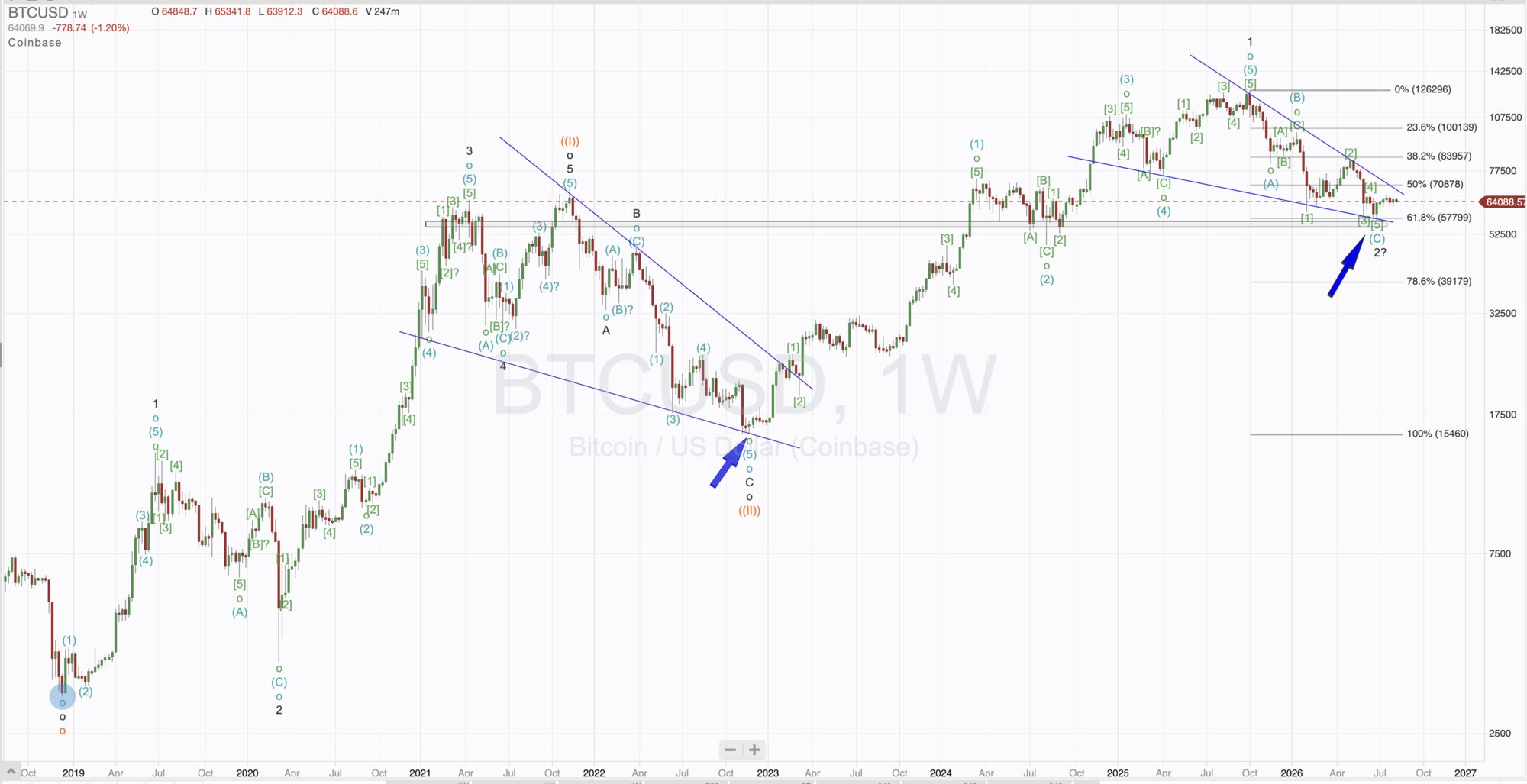
Wave counting is the hardest skill in technical analysis to do consistently. WaveBasis automates it with rule-valid counts and a market-wide scanner — the same methodology at the heart of every EasyCharts analysis.
Affiliate disclosure: EasyCharts is a WaveBasis affiliate and may earn a commission if you subscribe through links on this page — at no extra cost to you. We only recommend tools we use in our own workflow.
Why Elliott Wave Theory Matters
Developed by Ralph Nelson Elliott in the 1930s, the Wave Principle holds that crowd psychology moves markets in recognizable, repeating patterns. Its real edge for traders isn't prediction — it's structure and defined risk.
Structure, Not Noise
Elliott Wave theory frames price action as repeating five-wave impulses and three-wave corrections, giving you a structural map of where a trend may sit in its lifecycle instead of reacting to every candle.
Risk Defined by Rules
Wave counts come with strict invalidation levels. If price breaks a rule, the count is wrong — which hands you an objective, pre-defined stop-loss location before you ever enter a trade.
Reward-to-Risk Clarity
Because waves project targets (often confluent with Fibonacci levels), Elliott Wave setups let you estimate reward against a known invalidation point — the foundation of the 2:1+ reward-to-risk discipline we teach.
The Paul Tudor Jones Connection

Paul Tudor Jones is one of the most successful macro traders in history, best known for anticipating and profiting from the October 1987 crash. In the 1987 PBS documentary Trader, filmed in the months before Black Monday, Jones and his team are shown using Elliott Wave analysis — alongside historical analogs — as part of the framework behind that call.
Jones has also publicly endorsed the definitive Elliott Wave text. He called Frost and Prechter's Elliott Wave Principle "a classic," and named it one of "the four Bibles of the business" — an endorsement that has appeared on the book's cover for decades.
To be clear: Jones has no connection to WaveBasis or EasyCharts, and no single tool or theory made his career — his risk management discipline is just as famous. But when a trader of that caliber puts Elliott Wave in his core reading list, it's worth understanding why the methodology has endured for nearly a century.
What WaveBasis Does Well
The classic knock on Elliott Wave is subjectivity — ten analysts, ten counts. WaveBasis attacks that problem directly by only producing counts that satisfy the Wave Principle's rules.
Automatic, Rule-Valid Wave Counts
WaveBasis's pattern recognition engine generates best-fit Elliott Wave counts that always obey the core rules — removing the subjectivity that trips up most manual wave counters.
Wave Count Scanner
Instead of flipping through hundreds of charts, the scanner searches markets for potential Elliott Wave setups, so your watchlist starts with structure already identified.
Built for Learning by Doing
Seeing valid counts drawn on live charts is one of the fastest ways to internalize wave structure. It pairs naturally with our Elliott Wave guides and coaching sessions.
Clearly-Defined Risk on Every Setup
Each detected pattern carries its own invalidation level, reinforcing the same risk-first workflow we require on every EasyCharts signal.
Is It Right for You?
A good fit if you…
- Already use or are learning Elliott Wave and want faster, rule-valid counts
- Want a scanner that surfaces wave setups instead of manual chart-flipping
- Trade with defined invalidation levels and structured risk
Think twice if you…
- Expect any software to hand you guaranteed winning trades — none does
- Haven't yet learned basic chart reading and risk management
- Aren't ready to invest time validating setups with your own plan
See Your Charts Through a Wave Lens
Sign up, pull up a chart you already trade, and compare WaveBasis's automatic count to your own read. That comparison alone is a masterclass.
Affiliate disclosure: EasyCharts may earn a commission if you subscribe to WaveBasis through links on this page, at no extra cost to you. Trading involves substantial risk of loss. See our Risk Disclosure.